
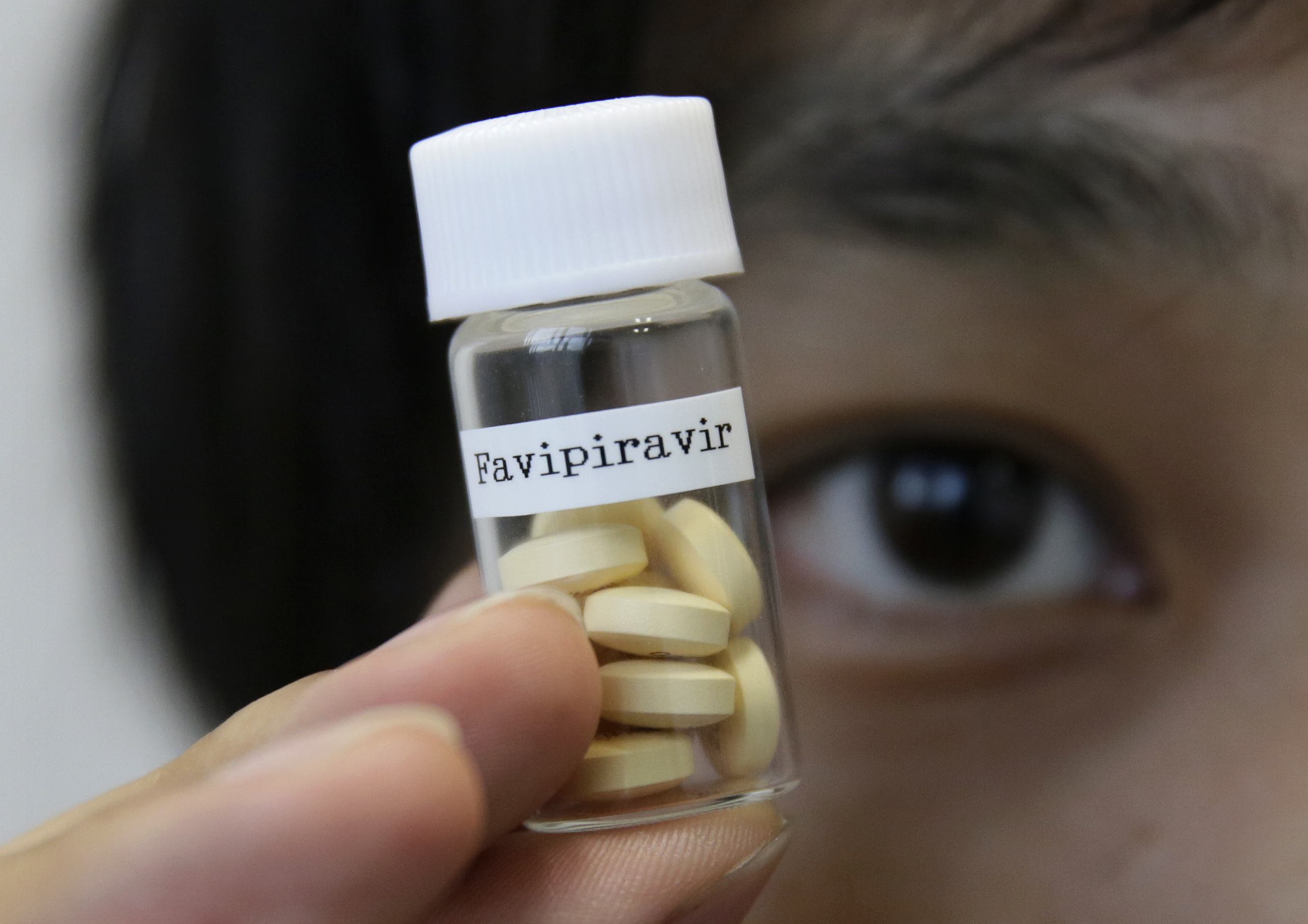
Favipiravir will be launched into mass production in China as a means to combat coronavirus.
Clinical trials of Favipiravir were successfully completed in China, immediately after which the Chinese pharmaceutical company was allowed to mass produce the drug.
Favipiravir is an antiviral drug developed in Japan by Toyama Chemical (Fujifilm Holding) in 1998 and approved for clinical use in Japan in 2014. It is active against RNA-containing viruses.
The drug has shown good clinical efficacy against the new coronavirus disease, and according to Zhang Xinmin (whale 张新民, Zhang Xinmin), director of the China National Center for Biotechnology Development under the Ministry of Science and Technology (whale 科技部中国生物技术发展中心), the drug has no serious side effects.
Favipiravir clinical trials were conducted at Shenzhen Third People's Hospital. There were 80 patients, 35 of whom received Favipiravir, and the remaining 45 patients were in the control group. Patients treated with Favipiravir recovered (i.e. no longer detected by retesting the virus) in a shorter time than those in the control group.
A large randomized clinical study conducted by Zhongnan Hospital of Wuhan University (whale 武汉大学) also showed a positive therapeutic effect of favipiravir. Favipiravir has been recommended to Chinese doctors and will be included in COVID-19 treatment guidelines. A Chinese pharmaceutical company has obtained a license from the National Medicines Administration for mass production of the product.
The fact that the drug has been included in the list of Chinese recommendations for treatment of the infection and has been put into mass production indicates that at least it will have a large clinical database of treatment results, which at the moment none of the drugs tested for coronavirus. However, the first-line treatment recommended in other countries may differ from that recommended for China. South Korea, for example, refused to use favipiravir, considering the data obtained about it in the conducted trials to be insufficient.
In the fight against the new coronavirus, China is trying some other technologies, including stem cell therapy, which may be effective in reducing the intensity of severe inflammatory reactions caused by the infection. China has initiated several clinical research programs on such treatment. The country is also trying to use artificial blood purification technology ("artificial liver") to treat patients in critical condition.
Professor Didier Raoult working on a hydroxychloroquine test against coronavirus in Marseille. Professor Didier Raoult working on hydroxychloroquine tests against the coronavirus in Marseille. In France, hydroxychloroquine showed some success in limited clinical trials. This drug was developed to treat malaria, but is effective for all plasmodics, and also has therapeutic effects for some diffuse diseases of connective tissue and some anti-inflammatory effects.
And now officially, WHO recommends abandoning ibuprofen in favour of paracetamol in case of fevers caused by coronavirus infections. Taking ibuprofen may cause undesirable effects in the course of the disease.